Why Your Wedding Timeline Affects Everything
Of all the things that shape how a wedding day feels — and how it photographs — nothing has more impact than the timeline. Not the venue. Not the weather. Not even the vendors.
A well-built timeline makes everything easier. A tight one makes everything harder. Here's why.
What a Rushed Timeline Actually Costs You
When a timeline is too tight, the cost isn't just logistical — it's emotional.
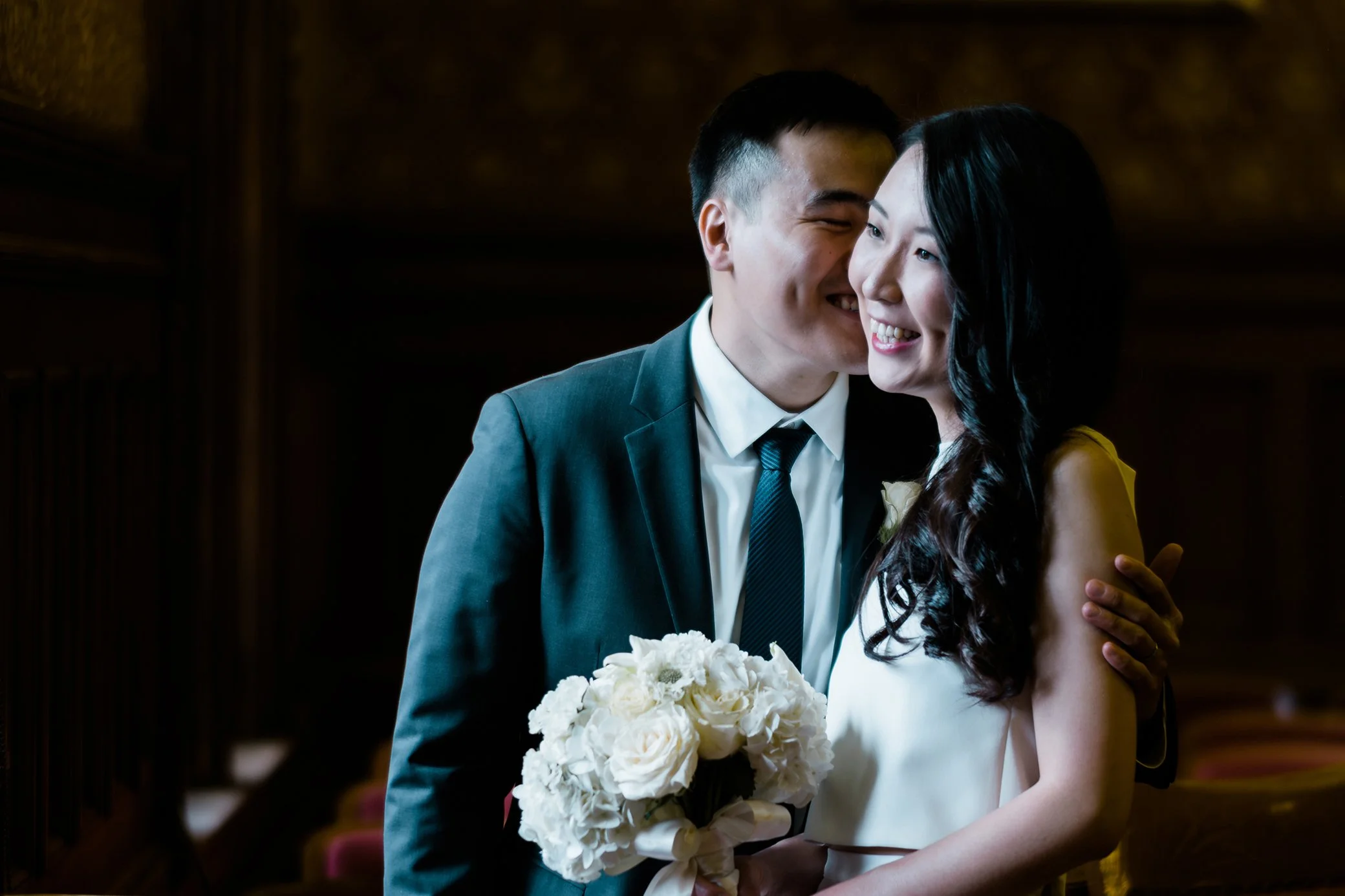
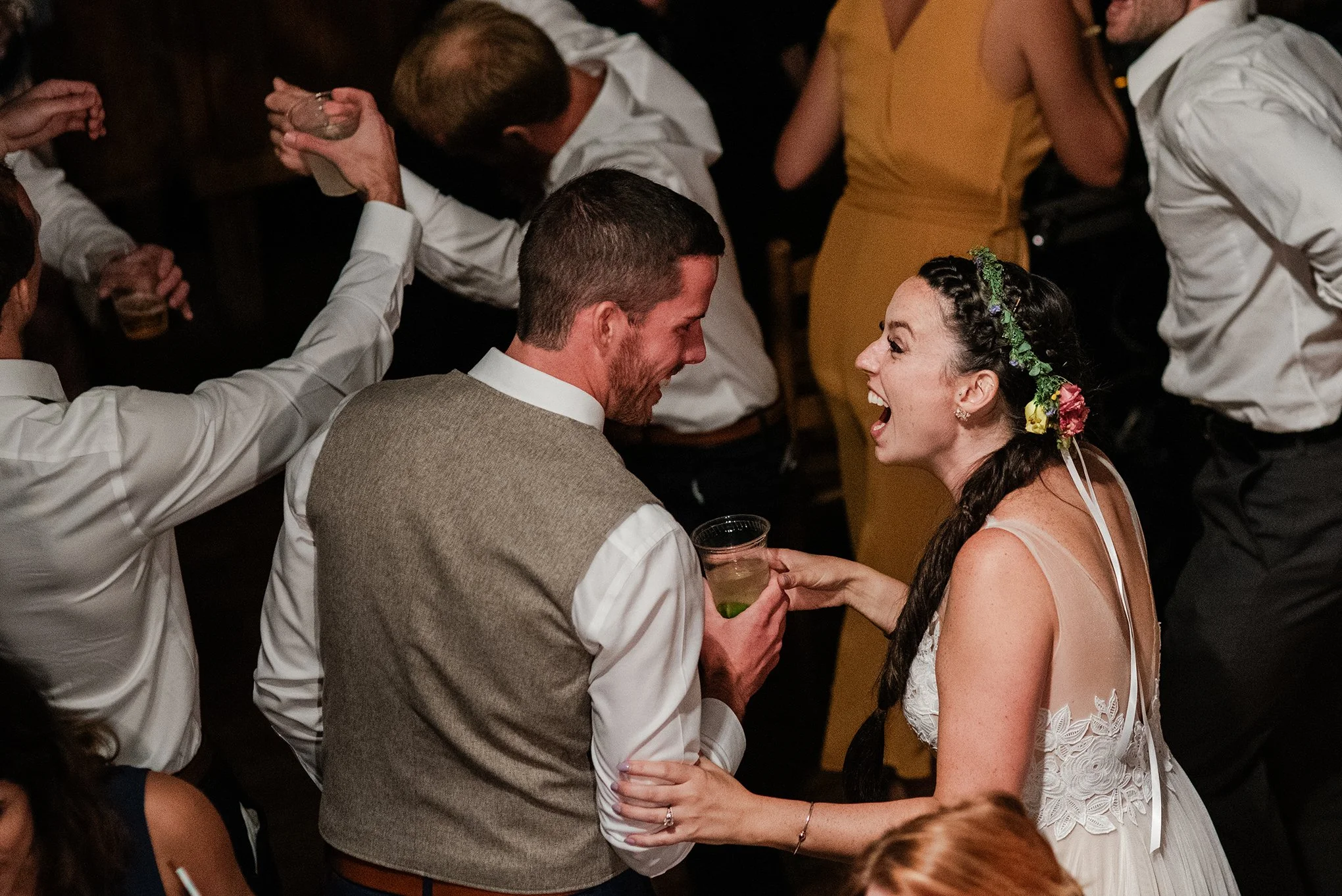
Couples who are behind schedule from the start carry that stress with them all day. It shows up in the portraits — in slightly stiff shoulders, in smiles that are performed rather than felt, in eyes that are somewhere else. It shows up in the ceremony, when the processional is running late and the anxiety of that bleeds into what should be the most present moment of the day. It shows up in the reception, when the couple spends the first hour playing catch-up instead of celebrating.
You can have the most beautiful venue in Boston and the best vendor team in the city, and a rushed timeline will still undermine all of it.
The Portraits Problem
Portrait time is where a tight timeline hurts most visibly — and it's the part couples most often underestimate.
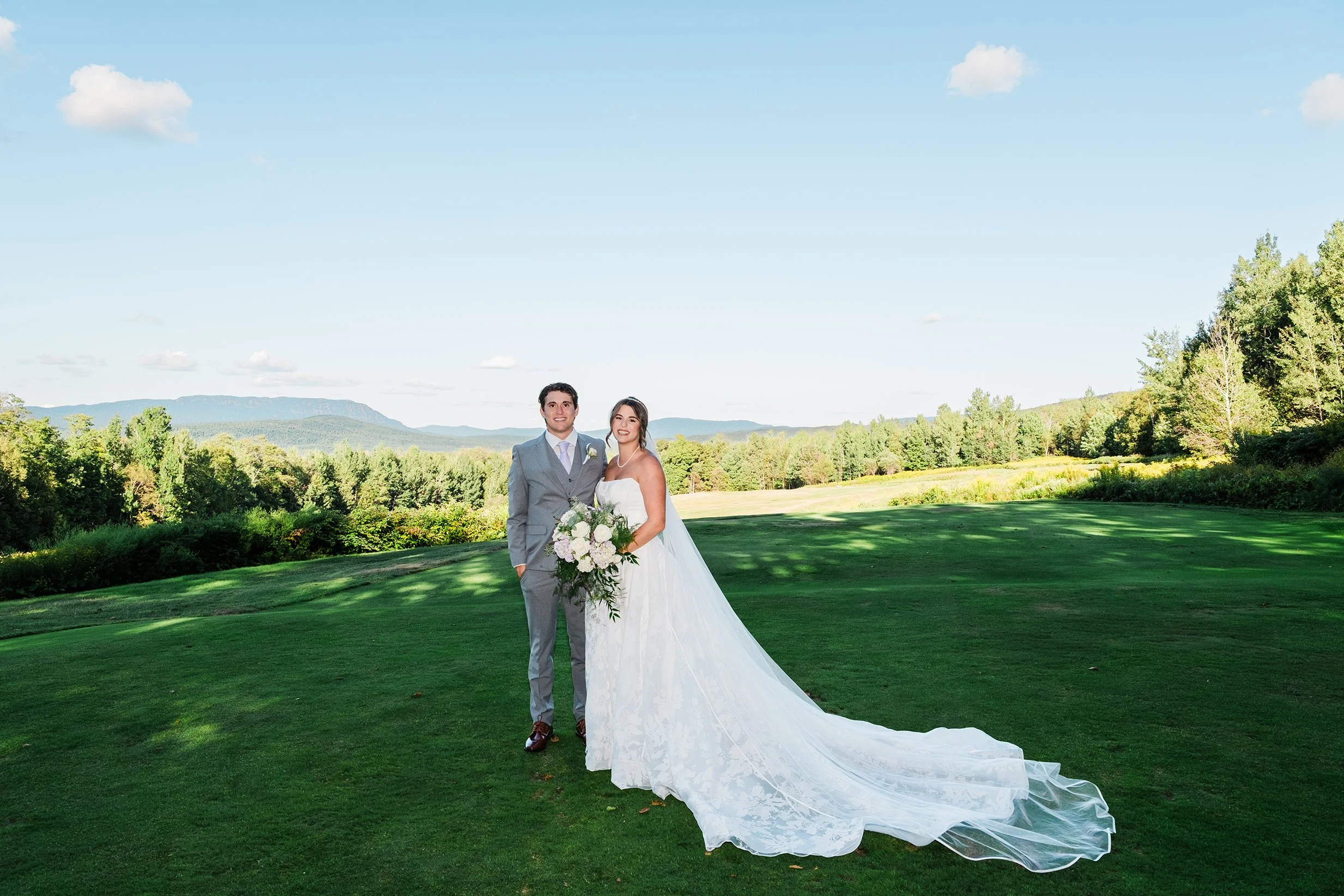
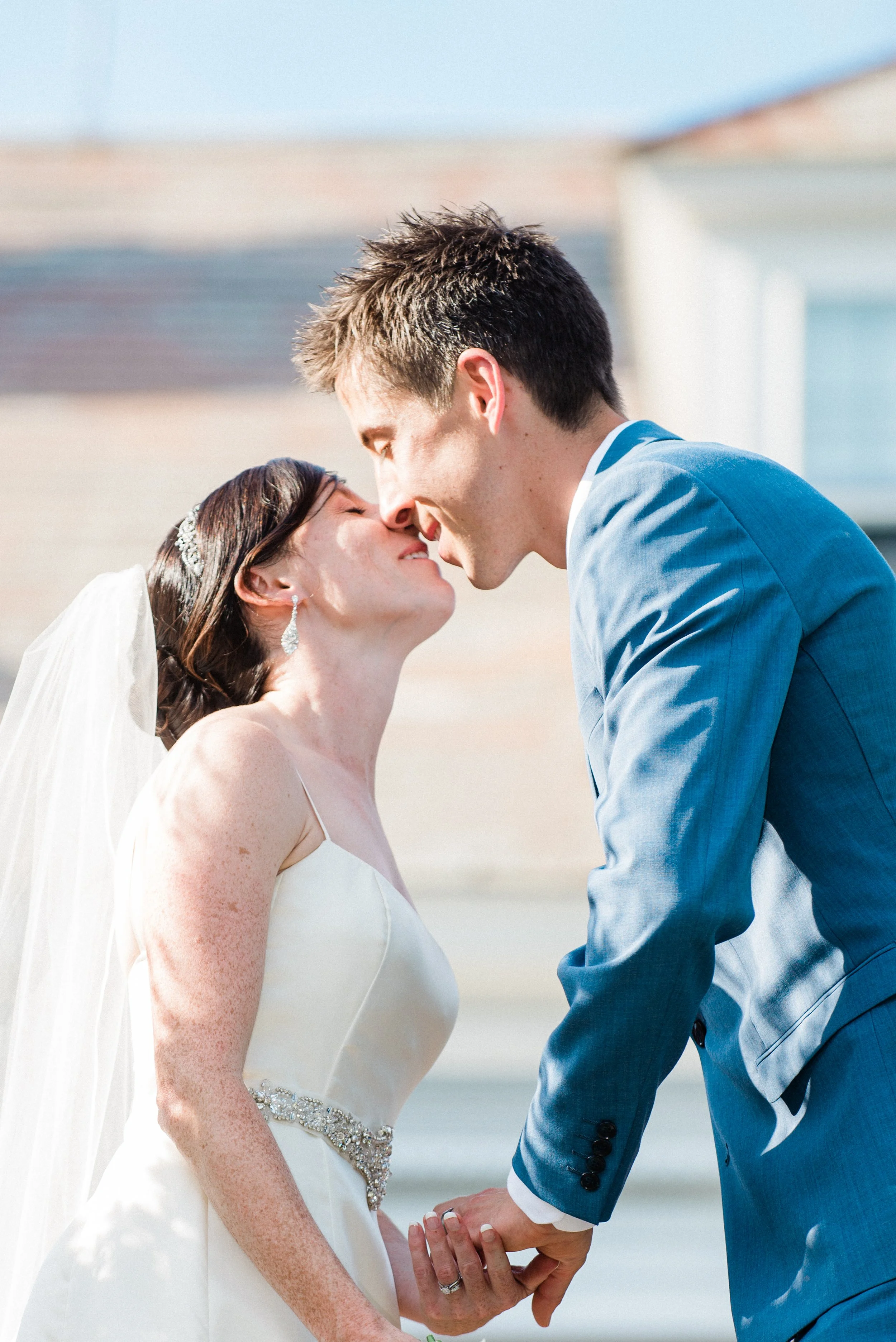
When couples arrive at portraits with fifteen minutes instead of forty-five, there's no warmup time. No space to get comfortable, have a laugh, shake off the ceremony nerves. What you get are technically acceptable images with emotionally absent subjects.
Given enough time, something shifts. The couple relaxes. The laughter becomes real. The poses stop feeling like poses. That transition usually takes at least twenty minutes — which means any portrait block shorter than thirty is working against you.
The Buffer Time Rule
Every timeline needs buffer built in — not as a contingency for disaster, but as a structural feature.
My recommendation: add ten to fifteen minutes of buffer around every major transition. Getting ready to first look. Ceremony to cocktail hour. Portraits to reception entrance. These transitions always take longer than planned, and when they don't, that buffer becomes bonus time — a few extra minutes for the couple to breathe, connect, and actually feel the day.
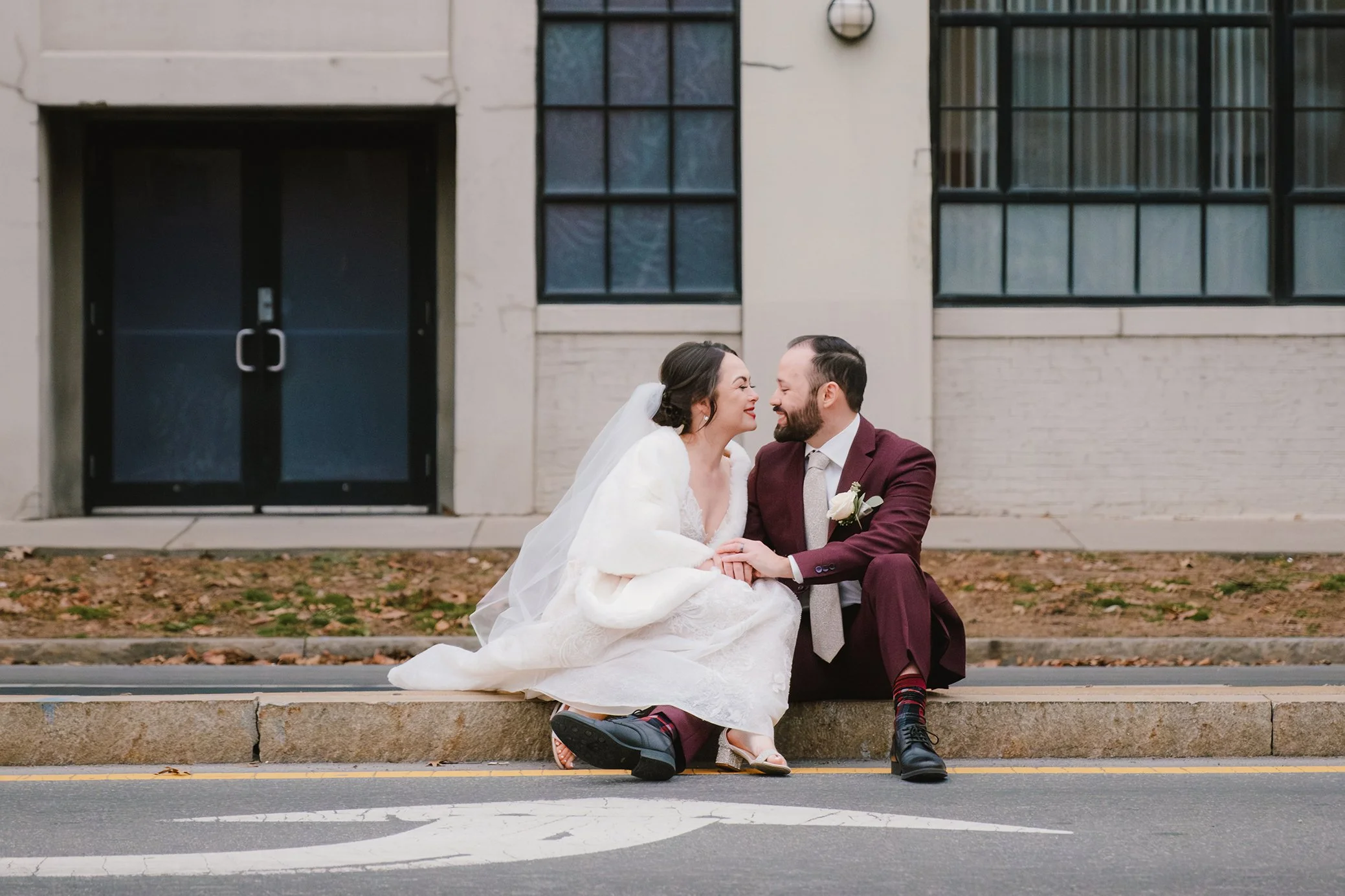
The couples who have the best wedding days aren't the ones whose timelines ran perfectly. They're the ones whose timelines had room for imperfection.
How I Help Couples With This
Part of what I do in the months before a wedding is help couples with their timeline so it protects the moments that matter most. That means flagging when portrait time is too short for what they want to accomplish, when family photos are going to run long, and where the day is most likely to get compressed.
Worried your timeline is too tight?
I'm happy to take a look and talk through what a better-paced day might feel like. Reach out anytime.